Removals in London
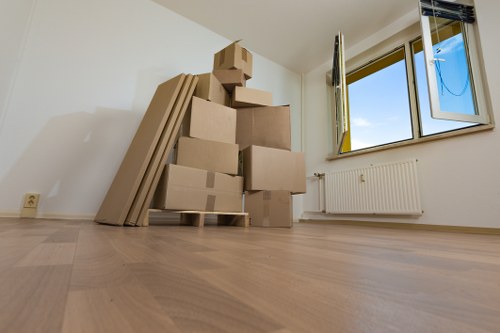
Removals in London need clear planning, careful handling and a practical approach that suits homes, flats and business premises. Our service focuses on moving furniture, boxes and household effects with attention to access, packing order and safe loading. Whether you are moving a few key items or a fuller property, we help keep the process orderly from the first enquiry through to delivery.
We work across a broad range of removal jobs, including house removals, home moves and commercial moves. That means the service can be matched to a one-bedroom flat, a family house or a workplace move, with the same aim: transporting items efficiently while reducing avoidable disruption. If you are comparing different options, it is worth thinking about volume, access and whether packing help is needed.
For a straightforward start, use the site pages below to review common service types and then request a quotation once you know what needs moving. If you already have a clear list, a short note about access and timing is usually enough to begin.
House, home and flat removals
House removals are often best approached in stages. Larger furniture, fragile items and everyday contents each need different handling, especially where stairs, shared entrances or limited parking make loading more complex. A careful move is not only about transport; it is about sequencing the work so that items are protected and delivered in a sensible order at the other end. That is where a structured removals service makes a real difference.
For domestic customers, useful related pages include house movers, house removalists and removals. The wording is similar, but the emphasis can shift slightly: one customer may need a small team and vehicle for a compact move, while another may need a fuller household relocation with dismantling, packing and careful handling of awkward items. Choosing the right scope helps keep the move proportionate and practical.
When planning a domestic move, it helps to think about the items that need extra care. Typical examples include mirrors, artwork, televisions, beds, wardrobes and heavy appliances. If you have narrow hallways or upper-floor rooms, the route matters as much as the load itself. Good preparation keeps the work smoother, but the main objective remains simple: to move your belongings safely and with as little disruption as possible.
Man and van removals for smaller moves

Smaller moves do not always need a large vehicle or a full household crew. A man and van style service can be a practical fit for studio flats, part loads, single-room moves, furniture collection and deliveries where the volume is limited but the items still need careful lifting. The service is especially useful when you want a more flexible solution for access, timing or mixed item sizes.
Relevant pages for this type of work include man and van, man with van, man and van removals and man with a van. These pages suggest closely related options, so customers can compare how much support they need for loading, transport and unloading. In practical terms, a smaller move still benefits from the same attention to wrapping, lifting and route planning as a larger one.
For customers who are moving just a few items, the most useful decision is usually whether the job is purely transport or whether it includes lifting, carrying and repositioning furniture. If there are stairs, bulky pieces or fragile items, those details should be clear before the move begins. This avoids confusion on the day and helps set the right expectations for the work required.
Packing, loading and unpacking support
Packing is a major part of many removals because the quality of the packing directly affects how well items travel. Boxes should be filled to a sensible weight, breakables need separation and loose contents should be secured before loading begins. For household moves, it is often the combined effect of sensible packing and organised loading that keeps the day running well. That is why packing support can be as valuable as the vehicle itself.
Where additional help is needed, the site includes packing and unpacking services. This is useful for customers who want assistance with wrapping, boxing, unpacking or placing items into the right rooms after delivery. It can be particularly relevant when time is limited, when a property has many contents or when fragile belongings need extra attention. The aim is not simply to fill boxes, but to make the whole move more manageable.
Useful preparation steps are often straightforward: separate valuable papers, keep essential medicines or chargers with you, and identify anything that should not be loaded with general household goods. If you are arranging packing help, a clear note about breakables and special items can be enough to guide the team. In many cases, that brief preparation makes the rest of the process more efficient.
Office relocations and business moves

Office relocations call for a different rhythm from domestic work. Desks, filing, IT equipment, chairs and storage units all need a move plan that respects workstations and business continuity. Depending on the size of the premises, the service may involve staged packing, labelled handling, careful routing through communal areas and a delivery sequence that helps the office get back in order. Clear planning matters because business moves often have tighter access windows.
Useful related pages include office removals and office relocation services. These pages indicate a business-focused service that can suit smaller offices as well as larger relocations. For commercial customers, the main considerations are often equipment safety, document handling, building access and whether the move needs to happen outside normal working hours. The service should reflect the layout and operational needs of the premises.
If your business move includes mixed items such as archive boxes, meeting room furniture or shared equipment, grouping them before collection can help. It is usually better to label sections sensibly than to rely on memory at the end of a busy working day. That way, the removal process supports the next stage of the move rather than creating a second job afterwards.
Vehicles, loading and the right moving option
The choice of vehicle is more than a logistical detail. A larger move may suit a different load plan from a single-item job or a partial household collection. The available pages suggest several vehicle-related options, including moving truck, moving van, removal van and removals van. The best fit depends on item size, route access and how many trips would otherwise be needed.
When selecting a removals option, it helps to think about the practical shape of the load. Flat-pack furniture, fragile household items and heavy appliances can share a vehicle, but they should not be thrown together without a loading plan. Careful stacking protects the contents and makes unloading easier. A sensible vehicle choice can also reduce wasted space, which is useful when the move is time-sensitive or access is restricted.
Some customers simply need a vehicle and lifting support, while others need a fuller service that includes packing and placement at destination. The right option is the one that matches the actual job rather than the broadest headline. If you are unsure, compare the service pages and then ask for a quote based on the true number of rooms, items and access points.
Pricing, quotations and planning the move
Removal pricing is usually shaped by several practical factors: volume, distance, access, vehicle size, labour required and any extra handling for fragile or awkward items. A move involving stairs, limited parking or several loading points can take longer than a simple ground-floor collection. That is why a quotation should reflect the real shape of the job rather than rely on guesswork. The more accurate the outline, the easier it is to match the right service.
For pricing information, there is a dedicated pricing and quotes page. It is a useful place to review the kinds of details that may influence a quotation before you send an enquiry. If you are comparing services, think about what is definitely going, what may be added later and whether packing or dismantling will be required. That helps keep the quotation realistic and easier to compare with other options.
Two short points are worth remembering before you ask for a price: first, keep a simple list of the main items; second, note any access issues such as stairs, lifts or parking restrictions. You do not need a perfect inventory to begin, but clear enough information makes the response more useful. When you are ready, please request a quotation and include the essential details.
About London
![A family of four, including a woman and a man, stands inside a house near a plain white wall, surrounded by neatly stacked cardboard moving boxes of various sizes. The family members are holding and carrying some of the boxes, ready for a house move or unpacking activities. The children, a boy and a younger girl, hold boxes close to their bodies, while the adults support positioned boxes, with one adult slightly behind the children. The boxes are made of brown cardboard, some are open, revealing empty interiors, and others are sealed. The scene takes place on a light wooden floor, with natural lighting illuminating the space, suggesting a residential environment in London or nearby areas. The overall setting conveys preparation for a house removals service, emphasizing careful handling of household belongings typical for relocation in the UK. Removals companies like removalsnearme.org.uk specialize in supporting such domestic moves in local communities, ensuring safe transport of furniture, personal items, and boxes involved in house relocations within [TOWN] or postal code areas like [POSTCODE].](/pub/_photos/removals/f1249768576.jpg)
London is a large and layered capital city shaped by the River Thames, centuries of political change and continuous urban growth. Its historic core includes the City of London, while the wider metropolis spreads across many boroughs that developed through different eras of expansion, industry and suburban development. Roman foundations, medieval streets, Georgian terraces, Victorian railways and post-war rebuilding all contribute to the varied character of the city. That mixture is visible in areas such as Westminster, Southwark and the old riverside districts, where old routes and newer developments sit close together. Major landmarks help to define the skyline and public life: the Palace of Westminster, the Tower of London, St Paul’s Cathedral, the South Bank, the British Museum and the West End are all part of the city’s wider identity. Parks and open spaces add another layer, from Hyde Park and Regent’s Park to Hampstead Heath and the Thames Path, while canals, bridges and river crossings connect neighbourhoods across the capital. London is also a city of institutions and cultural venues, with theatres, galleries, music spaces, markets and sports grounds creating a dense civic life. Its transport network, built up over generations, reflects the city’s scale and the movement of people between central districts, inner neighbourhoods and outer suburbs.
Domestic moves, storage choices and special items
Not every move is made up of ordinary boxes and furniture. Some removals include pianos, large mirrors, garden items, white goods or unusually shaped pieces that need more than standard carrying. These items often require a slower pace, added protection or a different lifting approach. The main point is to treat every item according to its own handling needs rather than assuming one method will suit everything in the property.
Depending on the situation, customers may also want to think about temporary storage, phased moving dates or multiple collection points. The available pages do not promise a storage facility, so the best approach is to keep the service discussion focused on the moving work itself and to ask directly about what can be supported. If there are items that need special care, mention them early so the quotation reflects the actual complexity of the job.
Another useful page is removal company, which can help customers compare the general service scope with more specific move types. When you are choosing a provider, the best decision is usually the one that aligns service, vehicle and handling support with your own timetable. A well-matched removals service should feel orderly, not improvised.
More ways to plan a straightforward move

Planning is easier when you think in terms of rooms, categories and access. Bedroom items, kitchen contents, office files and fragile décor all benefit from being grouped before the move. If you know which pieces need dismantling or which boxes contain breakables, the loading sequence becomes simpler. A removals team can then work through the property in a logical order rather than wasting time moving backwards and forwards.
Additional service pages that may help you compare options include removal services, removal companies, removals near me and furniture pick-up. These pages cover related ways customers look for moving support, from general service comparisons to single-item transport. Reading them alongside the main move page can help you decide whether you need a broad removals package or a narrower job.
For the final step, keep your enquiry simple and specific. A move date, the approximate volume and any access notes are usually enough to start. If you need a quote for a house, office or smaller collection, now is a good time to ask. Request a quotation when you are ready and the service can be matched to the move.