Protecting Valuables During Long-Distance UK Moves: A Practical Guide for Safer, Smarter Relocation
Long-distance moving across the UK can be straightforward for boxes of clothes and everyday furniture. Valuables are a different story. Jewellery, laptops, family heirlooms, documents, watches, artwork, collectibles, and sentimental items all need a more deliberate plan. Protecting Valuables During Long-Distance UK Moves is not just about wrapping things well; it is about reducing risk at every stage, from sorting and packing to handover and final delivery.
If you have ever stood in a half-packed room thinking, "This should be fine, surely?" you are not alone. But valuable items are usually the things people regret not treating carefully enough. The good news is that with the right preparation, a reliable removal team, and a few sensible decisions, you can move precious belongings with much more confidence.
This guide covers what actually matters: how to identify valuables, how to pack them properly, how to move them safely over a long distance, what to ask a removals provider, and which mistakes tend to cause problems. You will also find a checklist, a comparison table, and practical internal links to useful service pages such as removal services, insurance and safety guidance, and pricing and quotes.
Table of Contents
- Why this matters for long-distance moves
- How the protection process works
- Benefits of planning valuables properly
- Who needs this approach
- Step-by-step guidance
- Expert tips that make a real difference
- Common mistakes to avoid
- Tools, resources and recommendations
- Law, compliance and best practice
- Methods and comparison table
- Real-world example
- Practical checklist
- Final thoughts
- Frequently asked questions
Why Protecting Valuables During Long-Distance UK Moves Matters
Valuables face more touchpoints than ordinary household goods. They may be packed separately, handled more cautiously, moved in smaller quantities, or kept with you rather than loaded into the van. Each extra decision is a chance to get things right, or to make a mistake that becomes expensive later.
On a long-distance move, items are exposed to more time in transit, more stops, potentially more loading and unloading, and more uncertainty around weather, traffic, access points, and timing. A short cross-town move is one thing. A day-long relocation from London to another part of the UK is another entirely.
Valuables also carry a second layer of risk: they are often difficult or impossible to replace. A laptop can be bought again, but files, legal papers, inherited jewellery, or one-off artwork can have meaning that no insurance payment fully restores. That is why a practical protection plan matters so much.
There is also the trust factor. If you are booking a removal company or comparing options like man and van versus a larger crew, you need to know how they handle high-value items, whether their processes are documented, and what level of responsibility they are willing to take on. Good movers should be comfortable answering these questions clearly.
Expert summary: The safest long-distance move is rarely the one with the fanciest packing materials. It is the one where valuables are identified early, packed separately, tracked carefully, and handed over with clear instructions.
How Protecting Valuables During Long-Distance UK Moves Works
The process is simpler than it sounds. You reduce risk by splitting the move into controlled stages.
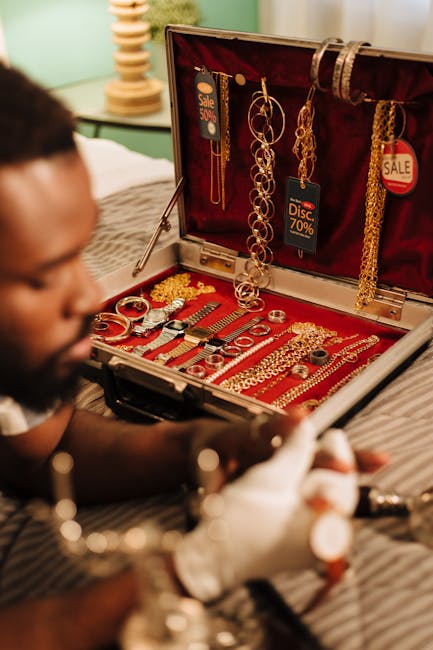
Stage 1: Identify what counts as a valuable. This includes high-value financial items, but also anything difficult to replace emotionally or practically. Think passports, deeds, certificates, jewellery, watches, cash, laptops, hard drives, cameras, collectable items, and small electronics.
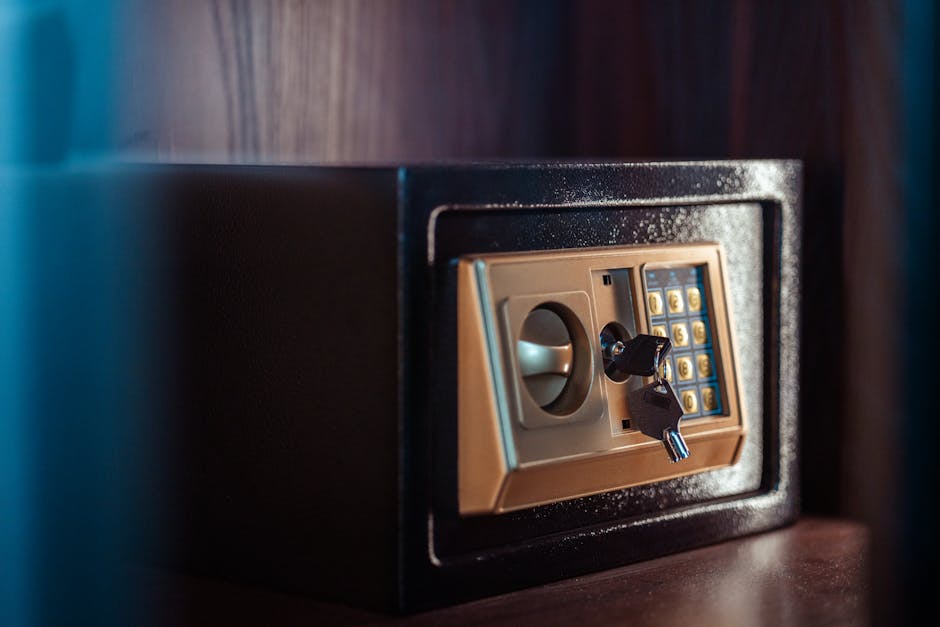
Stage 2: Decide what travels with you. Some items should never go in the back of a van if you can avoid it. Personal documents, medication, keys, bank cards, and small jewellery pieces are usually better kept with you.
Stage 3: Pack for separation and protection. That means using smaller boxes, rigid containers, anti-scratch wrapping, internal padding, and clear labelling. For electronics and fragile items, original packaging can be excellent if you still have it.
Stage 4: Create visibility and accountability. Make a simple inventory, photograph important items, and note serial numbers where relevant. This is especially helpful if you are using packing and unpacking services or storing things temporarily before delivery.
Stage 5: Hand over with instructions. Tell the movers what needs special handling, what is fragile, what must stay upright, and what should be loaded last and unloaded first. Clear instructions sound basic, but they prevent a surprising number of problems.
Stage 6: Check at delivery. Open your valuables box or bag first, confirm contents against your inventory, and inspect packaging before signing anything off. If something feels off, raise it immediately rather than "coming back to it later".
That is the basic structure. The details underneath it are where the real protection happens.
Key Benefits and Practical Advantages
Good valuables protection does more than reduce damage risk. It makes the whole move feel calmer and more controlled.
- Fewer losses: Clear inventory and separation reduce the chance of items being misplaced in the rush of moving day.
- Less handling damage: Sensitive items are packed with the right materials and moved in a way that avoids knocks and pressure.
- Better insurance visibility: If you know exactly what you packed and when, claims conversations become much easier if they are ever needed.
- Faster unpacking: You know where essential items are, so you are not opening ten boxes to find one document wallet.
- Reduced stress: This sounds obvious, but being able to account for valuables is often the difference between a manageable move and an exhausting one.
Commercial movers and household movers both benefit from the same principle: high-value items should never be treated as "just another box". If you are organising a business relocation, pages like office relocation services and office removals are useful because they highlight how records, equipment, and sensitive assets are typically handled in a more structured way.
Who This Is For and When It Makes Sense
This approach is relevant to almost anyone moving between UK cities or regions, but it matters most in a few common situations.
- Homeowners with small high-value items: Jewellery, watches, camera gear, artwork, and heirlooms need more than a standard cardboard box.
- Families moving long distance: You often have a mix of children's keepsakes, documents, and everyday essentials that should be separated early.
- Renters relocating for work: Laptops, monitors, and personal records travel frequently and can be easily overlooked.
- Business owners: If you are moving stock, documents, or equipment, the handling standard should be closer to commercial moves than a casual household move.
- Anyone using a smaller vehicle service: If you are considering a moving van or removal van, planning becomes even more important because space and loading order matter more.
It also makes sense when you are moving from a property with awkward access, tight stairwells, or parking limits. In those cases, careful packing protects valuables from being hurried, passed hand-to-hand, or squeezed into the last available corner of the van. Nobody wants a family ring box travelling next to a folding chair and a lamp base.
Step-by-Step Guidance
Here is a practical process you can follow before moving day.
1. Create a valuables list
Walk through the property and list the items you would struggle to replace. Do this room by room so nothing gets missed. Include serial numbers, approximate values if known, and a short description for each item.
2. Separate essentials from valuables
Some items are both. Your passport is not just valuable, it is essential. Your laptop may be essential for work. A wedding ring is both financial and sentimental. Put these in a dedicated carry bag or hard case that stays with you.
3. Choose the right packing materials
Use sturdy boxes, acid-free tissue for delicate items, bubble wrap where suitable, packing paper, foam inserts, zip pouches for small parts, and strong tape. For very delicate pieces, double boxing can add useful protection.
4. Pack by category, not by convenience
Do not throw unrelated valuables into one box just because there is space. Group items by type: documents, electronics, jewellery, collectibles, or fragile decor. That makes both packing and unpacking far safer.
5. Label discreetly but clearly
Mark boxes as fragile and indicate the correct orientation if needed. Avoid writing "valuable jewellery" in large letters on the outside. Discretion matters as much as clarity.
6. Keep a separate transport plan for the highest-value items
Decide whether some things travel with you personally rather than in the removal vehicle. This is often the best option for cash, personal records, compact electronics, and sentimental items. If you are using man with van or man and van removals, ask in advance how they recommend handling these items.
7. Photograph packed items and keep records
Take quick photos before sealing boxes. This is useful if you need to prove condition, identify contents, or follow up with a mover later. It does not need to be fancy; a phone photo is usually enough.
8. Share handling instructions with the mover
Tell the crew which boxes are fragile, which should be loaded last, and which should be kept upright. If items require temperature stability, moisture protection, or extra padding, say so clearly.
9. Check insurance before moving day
Read the policy wording carefully. Standard cover, goods-in-transit cover, and any exclusions can vary. The page on insurance and safety is a sensible place to start if you want to understand the kind of reassurance a provider should be able to explain.
10. Inspect valuables immediately on arrival
Before settling in, check the items you listed. If anything is damaged or missing, report it as soon as possible and keep your paperwork handy. Delay makes issues harder to resolve.
Expert Tips for Better Results
A few experienced habits can make a long-distance move noticeably safer.
- Use the "last in, first out" rule: The most important boxes should be loaded last and unloaded first so they are accessible quickly.
- Keep one valuables bag per adult: It avoids the chaos of everyone asking, "Who has the documents?" on arrival.
- Carry one master inventory: A single list is easier to manage than scattered notes in emails and phone photos.
- Think about weather: Rain, condensation, and cold can affect paper, packaging, and electronics. A waterproof tote or sealed plastic document wallet can help.
- Use padded inserts for empty space: Movement inside a box is often more damaging than the journey itself.
- Ask how vans are loaded: A good mover will explain where fragile items sit in relation to heavier furniture and appliances.
- Choose the right scale of service: For complex or multi-room moves, a broader removal services package may be more suitable than a minimal one-man load.
One small but useful habit: keep chargers, adapters, and essential cables in the same bag as the device they belong to. It saves time and stops you hunting for a laptop charger while surrounded by boxes and a kettle that still has not been unpacked.
Common Mistakes to Avoid
The biggest mistakes are usually practical ones, not dramatic ones.
- Packing valuables too late: Rushed packing leads to poor wrapping, mixed contents, and missing items.
- Overfilling boxes: Heavy boxes crush delicate contents and are harder to carry safely.
- Leaving valuables in obvious packaging: Fancy boxes or branded packaging can attract attention during stops and unloading.
- Assuming standard cover is enough: Cover levels may differ, and exclusions matter.
- Not checking condition before and after: Without records, disputes become much more difficult.
- Mixing valuables with everyday clutter: A single "miscellaneous" box is rarely a great idea for precious items.
- Failing to tell the mover what needs special care: Movers can only handle what they know about.
There is also a less obvious mistake: not thinking about access on arrival. If valuables are buried under furniture or packed at the back of a van, they may be exposed to more handling than necessary while the rest of the delivery is being arranged.
Tools, Resources and Recommendations
You do not need specialist equipment for every move, but a few basics make a real difference.
| Tool or resource | Best for | Why it helps |
|---|---|---|
| Hard case or lockable document bag | Passports, deeds, certificates, contracts | Keeps critical paperwork together and protected from bending or moisture |
| Bubble wrap and packing paper | Fragile decor, glass, electronics accessories | Helps cushion impact and prevent scratches |
| Labels and marker pens | All valuables boxes | Makes sorting and prioritising easier during loading and unpacking |
| Inventory sheet or spreadsheet | High-value or sentimental items | Creates a simple record for checking contents and condition |
| Waterproof tote or sealable pouch | Documents and small essentials | Useful in wet weather and for travel between properties |
| Professional removal support | Large, mixed, or complex moves | Provides a structured loading process and a clearer chain of handling |
If you are comparing providers, start with credible service pages such as removal companies, home moves, and house removals. These pages help you judge whether a business seems set up for the kind of move you actually have, rather than the one they want to sell you.
For local planning, the site's removals near me page can help you find a provider closer to the pickup or delivery point, which is useful when timing and access are tight.
Law, Compliance, Standards, or Best Practice
For most households, there is no special legal rule that says valuables must be packed in a certain way. The real issue is best practice, contractual responsibility, and insurance. That is where most of the practical risk sits.
Here are the main points to understand:
- Check terms and conditions: A mover's responsibilities may depend on what is declared, how the item is packed, and whether it was handled by the customer or the crew. The terms and conditions page is the right place to review general expectations.
- Understand insurance wording: Not all cover is the same. Some policies exclude certain high-value items, and some require special declaration. Read carefully and ask for clarification.
- Keep payment secure: If you are paying deposits or final balances online, review the provider's payment and security information so you know how transactions are handled.
- Use written communication where possible: If you have specific instructions about valuables, keep them in email or message form as a record.
- Ask about health and safety practices: Even when the item is valuable rather than dangerous, safe lifting and handling reduce the chance of an avoidable incident. A provider's health and safety policy can tell you a lot about how seriously they take process.
If a move includes office assets, records, or IT equipment, the standards become even more important. This is where commercial moves and office removals pages are especially relevant, because the tolerance for error is usually much lower.
Best practice in plain English: declare what matters, document what you own, and do not assume a van company can read your mind. Lovely though that would be.
Options, Methods, or Comparison Table
There is no single correct way to move valuables. The best choice depends on the item, the distance, and the level of trust you have in the handling process.
| Method | Best for | Pros | Watch-outs |
|---|---|---|---|
| Keep with you personally | Passports, cash, jewellery, key documents | Maximum control and immediate access | You must carry it safely and not misplace it during travel |
| Pack separately in a dedicated valuables box | Small electronics, accessories, certificates, fragile keepsakes | Good balance of protection and convenience | Needs careful labelling and disciplined handling |
| Use professional packing support | Mixed homes, busy families, larger moves | More structured preparation and fewer rushed decisions | Costs more and still requires clear instructions |
| Move in a dedicated small-load vehicle | Select items, urgent deliveries, premium items | Better control over load order and handling | May not suit full-house moves or bulky furniture |
If your move is compact and focused, a service such as man with a van, man with van removal, or moving van may be enough. If you have larger volumes or a more complicated property layout, a more complete arrangement can be more sensible.
Case Study or Real-World Example
Consider a typical long-distance household move from South West London to another part of the UK. The family has a mix of belongings: a laptop used for remote work, a box of certificates and passports, a watch collection inherited from a relative, framed prints, and a few expensive kitchen items.
Instead of putting everything into general boxes, they split the valuables into three categories. First, the most essential items - passports, keys, backup drives, and one laptop - travel in a small bag with the adults. Second, the watch collection, framed prints, and paperwork are packed in separate labelled boxes with padding and a simple inventory sheet. Third, lower-risk but still important items such as cables and accessories are grouped into a clearly marked essentials carton.
The removal team is told in advance which boxes are fragile and which must be loaded last. The boxes are placed where they can be unloaded first. On arrival, the family checks the inventory before the rest of the house is opened up. Nothing dramatic happens, which in removals is usually the best possible sign.
What made this work was not luck. It was segmentation, communication, and not pretending that all items are equally easy to move.
Practical Checklist
Use this checklist a few days before moving day, then again on the morning of the move.
- List all valuables, including sentimental items and essential documents
- Decide which items will travel with you personally
- Photograph high-value items before packing
- Note serial numbers, model details, and any relevant identifiers
- Use sturdy boxes, padded wrap, and internal cushioning
- Pack valuables separately from general household items
- Label boxes clearly but discreetly
- Tell the mover which items are fragile or high priority
- Confirm insurance cover and any exclusions
- Keep documents, keys, chargers, and small essentials in one secure bag
- Inspect valuables immediately after delivery
- Report any concerns straight away and keep records
Quick takeaway: If you can describe where a valuable item is, how it was packed, who handled it, and when it was last checked, you are already in a much stronger position than most movers.
Conclusion
Protecting valuables during a long-distance UK move is really about creating control where moving day naturally creates chaos. That means identifying your most important items early, separating them from the general load, packing them properly, and making sure the mover understands exactly what needs care.
The strongest protection comes from simple habits done consistently: sensible packing, clear labelling, an accurate inventory, realistic insurance expectations, and a provider who communicates well. Whether you are moving a family home, a compact flat, or a business setup, the principles are the same. Treat valuables as a separate category, and you will dramatically reduce avoidable stress.
If you are still comparing options, start by reviewing services that match the size and complexity of your move, such as house movers, house removalists, and movers. A good provider should make the process feel organised rather than rushed.
Get a free quote today and see how much you can save.
Frequently Asked Questions
Should I pack valuables myself or let the removals team do it?
For passports, cash, jewellery, and very personal items, it is usually best to keep them with you. For fragile but less sensitive valuables, professional packing can be helpful if the team is experienced and you have clear instructions.
What counts as a valuable item during a move?
It is not just expensive items. Valuables can include jewellery, watches, electronics, artwork, family heirlooms, certificates, legal papers, collectibles, and anything hard to replace quickly or emotionally.
How do I protect documents like passports and deeds?
Use a waterproof document wallet or secure folder, keep it with you during travel, and avoid mixing it with general boxes. Take photos or scans for your records before moving day.
Is standard removals insurance enough for high-value items?
Not always. Cover levels and exclusions vary, so you should read the policy carefully and ask whether specific items need to be declared separately. The safest approach is to confirm this before you book.
What is the safest way to move jewellery?
The safest option is usually to carry it personally in a secure case or pouch. If it must be transported by a mover, it should be declared, carefully packed, and covered by appropriate insurance terms.
Should I label boxes that contain expensive items?
Yes, but discreetly. Use labels like "fragile" or "this way up" rather than obvious descriptions such as "valuable electronics" or "jewellery inside". You want clarity without advertising what is in the box.
How can I reduce the risk of loss on a long-distance move?
Keep a valuables list, photograph items, pack them separately, limit the number of hands they pass through, and keep the most important pieces with you. That combination reduces risk more than any single packing trick.
What should I ask a removals company about valuables?
Ask how they handle fragile items, whether they offer packing support, how goods are loaded, what their insurance covers, and whether there are any excluded items. If they answer clearly, that is a good sign.
Are man and van services suitable for valuables?
They can be, especially for smaller loads or selected items, but the service must be appropriate to the value and fragility of what you are moving. Ask about handling procedures, vehicle space, and insurance before you commit.
What should I do if a valuable item is damaged during the move?
Record the damage as soon as possible, take photos, keep your inventory and paperwork, and contact the removals provider promptly. Faster reporting usually makes resolution easier.
Can I move artwork and framed prints with normal packing materials?
Sometimes, yes, if the pieces are not especially valuable and are packed correctly with padding and rigid support. More valuable artwork may need extra protection, especially on long journeys where vibration and stacking are concerns.
Is it worth paying for packing and unpacking services just for valuables?
For a small number of prized items, it can be worthwhile if you want experienced handling and less last-minute stress. It is especially useful when you are juggling work, family, or a tight move schedule.
What is the most common mistake people make with valuables?
They leave too much to the last minute and end up mixing valuable items with general household boxes. Once that happens, items are harder to track and more likely to be handled carelessly.
How do local area services help with long-distance moves?
Using a local page such as London removals coverage or a neighbourhood page can help you find a team that knows local access issues, parking restrictions, and loading challenges before the move begins.