Pack fragile collections for removals without paying professionals
Moving a fragile collection is one of those jobs that looks manageable until you are standing in front of shelves full of glassware, ceramics, vinyl, ornaments, cameras, or framed keepsakes and thinking, "Right... where do I even start?" If you want to pack fragile collections for removals without paying professionals, the good news is that it can be done well, calmly, and safely with the right method.
This guide walks you through the full process: how to protect delicate items, what materials are worth buying, how to reduce breakages, and when a DIY approach makes sense. You will also find a checklist, a comparison table, and a realistic example so you can plan properly rather than just wrapping everything in bubble wrap and hoping for the best. Let's face it, hope is not a packing strategy.
Table of Contents
- Why packing fragile collections matters
- How the process works
- Key benefits and practical advantages
- Who this is for and when it makes sense
- Step-by-step guidance
- Expert tips for better results
- Common mistakes to avoid
- Tools, resources and recommendations
- Law, compliance, standards, or best practice
- Options, methods, or comparison table
- Case study or real-world example
- Practical checklist
- Conclusion
- Frequently asked questions
Why packing fragile collections matters
Fragile collections are not like ordinary household items. A few cheap mugs can survive a box with a bit of movement. A collection, though, often has shared characteristics: irregular shapes, sentimental value, matching sets, older materials, or one-off pieces that cannot simply be replaced. That is why the packing method matters so much.
People often underestimate the risk because each individual item looks small. But collections behave differently in transit. Items knock together, pressure builds at weak points, and the wrong filler material can let objects shift. Even a short journey across town can be enough to chip an edge, crack a base, or scratch a finish. If you have ever heard the faint clink of something inside a box and felt your stomach drop, you already know the feeling.
There is another reason this matters: collections are often mixed-value. Some pieces are valuable in cash terms, others in memory. You may be packing antique china, vintage records, model figures, perfume bottles, or family heirlooms, and the emotional loss of damage can be bigger than the financial one. That is exactly why DIY removals need a calm, deliberate method rather than a rushed afternoon with old newspapers and too much tape.
For many households, the real goal is not perfection. It is controlled risk. You want the move to be safe, tidy, and predictable. That means thinking ahead about cushioning, separation, labelling, and lifting. Small details make a big difference.
How packing fragile collections for removals works
The basic idea is simple: reduce movement, reduce impact, and reduce pressure points. In practice, that means treating every item as if it needs its own little buffer zone. Collections travel best when each piece is individually protected, grouped by type, and packed into containers that suit their shape and weight.
The process usually works in layers. First, you prepare the item with wrapping or soft padding. Then you place it in a box or crate with enough space for cushioning material around the sides and top. After that, you secure the box so items cannot slide, topple, or crush one another when the vehicle brakes or turns. Nothing glamorous there, but it works.
Think of a collection as a system, not a pile. A set of wine glasses, for example, should not be thrown into one large box because the stems are vulnerable and the bowls can clash. Similarly, a stack of framed prints should be separated with cardboard and placed upright, not laid flat under heavy items. Once you start viewing the collection in categories, the packing choices become much clearer.
For bigger moves, people often combine DIY packing with a simple removals service such as a man and van or a full removal company. Even if you are packing everything yourself, it helps to understand how the items will travel so the packing plan matches the transport plan.
Key benefits and practical advantages
Doing the packing yourself can be a very sensible choice, especially if the collection is moderate in size and you are prepared to be methodical. The main benefit is control. You decide how each item is handled, which materials are used, and how the boxes are organised. For fragile collections, that sense of control can be worth a lot.
There is also a cost advantage. Professional packing services are useful, no question, but they are not always necessary for every collection. If you already have time, patience, and decent materials, DIY packing can reduce the overall moving bill without cutting corners on protection. It is one of those jobs where a bit of effort pays back nicely.
Another advantage is familiarity. You know which pieces are sentimental, which ones are awkward, and which items need extra care. A professional might be efficient, but you are the one who knows that one chipped teacup is actually the first cup you bought together, or that a particular print must stay flat because the frame is slightly bowed. That local knowledge - your knowledge, really - is hard to beat.
There is a practical upside too: when you pack fragile collections yourself, unpacking becomes easier. Items can be grouped logically, labelled clearly, and arranged in the order you want to settle them at the new property. On moving day, that matters. A lot.
| Approach | Best for | Pros | Trade-offs |
|---|---|---|---|
| DIY packing | Smaller or medium fragile collections, careful households | Lower cost, full control, easier sorting and labelling | Requires time, patience, and correct materials |
| Professional packing | Very large, high-value, or time-sensitive collections | Fast, experienced handling, less personal effort | Higher cost, less direct control over every item |
| Hybrid approach | Mixed-value collections or busy households | Save money on part of the job, get help where needed | Still needs planning and coordination |
Who this is for and when it makes sense
This approach suits a wide range of people. If you have a house full of collectibles, family heirlooms, display pieces, or a carefully organised hobby collection, packing them yourself can make sense. It also works well for renters, first-time movers, and anyone trying to keep costs down without treating fragile items carelessly.
It is especially useful when the collection is not huge but still needs thought. A few shelves of pottery, a modest record collection, or a cabinet of ornaments can be packed very effectively by a careful owner. In our experience, people often do a better job with their own delicate belongings than they expect, because they naturally know what matters most.
That said, there are times when DIY is not the smartest route. If the collection includes museum-grade antiques, highly valuable artwork, large glass cabinets full of delicate items, or specialist objects with unusual materials, you may want extra packing support or a professional removals service. Same goes if you are short on time or moving on a tight schedule. Rushing fragile packing is where mistakes creep in.
A good rule of thumb: if the collection could be replaced easily and you have a sensible amount of time, DIY is usually reasonable. If the items are irreplaceable, awkwardly shaped, or unusually valuable, slow down and reassess. Simple question, really: can you pack it securely enough to sleep at night?
Step-by-step guidance
Below is a straightforward process you can follow. It is designed to help you pack fragile collections for removals without paying professionals, while still keeping the work tidy and low-risk.
1. Sort the collection before you touch the tape
Start by grouping items by type, size, and fragility. Put similar pieces together: glassware with glassware, books with books, framed items with framed items, ceramics with ceramics. This makes packaging much easier and helps you choose the right box size. It also lets you spot duplicates, missing pieces, and items that need extra wrapping.
If the collection has a lot of small parts, like model kits or figurines, keep sets together in shallow trays or labelled bags before box packing. A tiny bag of fittings has a strange talent for disappearing when you are tired.
2. Clean and dry everything first
Dust, crumbs, and moisture are not ideal in storage boxes. Give each item a gentle clean before wrapping it. Make sure everything is fully dry, especially ceramics, glass, polished wood, and metal pieces. Even a little dampness can lead to marks, odour, or deterioration during the move.
3. Choose the right packing materials
You do not need fancy equipment, but you do need the right basics: strong boxes, soft wrapping, tape, markers, and cushioning material. For especially delicate pieces, use acid-free tissue, packing paper, or foam where appropriate. Newspapers can work in a pinch, but the ink can transfer, and it is not ideal for items with delicate finishes.
Use smaller boxes for heavy fragile items. That advice sounds almost too obvious, yet it is one of the most common things people get wrong. Small boxes are easier to carry and less likely to be overfilled. A box that is too large invites movement, and movement is the enemy here.
4. Wrap each item individually
Wrap one item at a time so pieces cannot rub together. Pay extra attention to handles, stems, corners, lids, and protruding details. For items like bowls, vases, or cups, use padding inside any hollow space as well as around the outside. For framed items, protect the corners and face, then add cardboard or stiff board if needed.
When wrapping collections, consistency helps. Do the same wrapping pattern each time, because later you will remember which boxes contain what. It sounds minor, but it saves a lot of guesswork during unpacking.
5. Build a cushioned base
Never place a delicate item directly on the bottom of a box. Use crumpled packing paper, foam, or a soft layer to create a base. Then place the item in the box and fill all empty gaps around it. The aim is to keep it snug, not squeezed. If the item can shift when you gently shake the box, it needs more support.
6. Keep weight low and even
Fragile items can still be heavy, which means balance matters. Place heavier pieces low in the box and lighter pieces on top if they can safely stack. Avoid combining very heavy items with light, breakable ones unless the box and padding plan genuinely support it. Uneven weight makes lifting awkward and raises the chance of sudden impact inside the box.
7. Fill voids properly
Empty spaces cause movement, so fill them. But do not cram hard materials into every gap just for the sake of it. The filler should hold the item still without creating pressure points. A snug box is the target; a boxed-in object under strain is not.
8. Label everything clearly
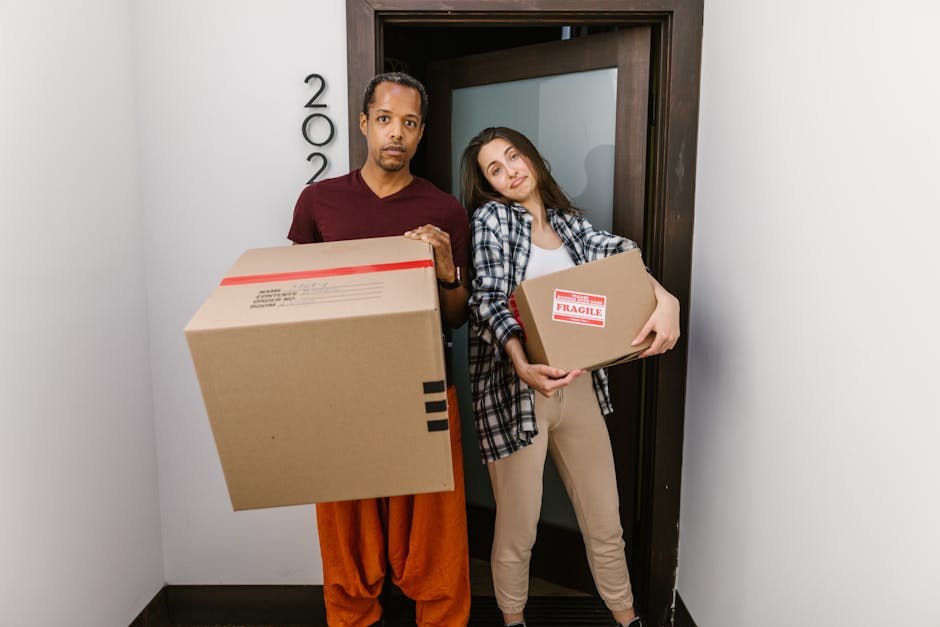
Mark each box with the room, the contents, and a clear warning such as FRAGILE or THIS SIDE UP. You can also add notes like "open first," "do not stack," or "contains glassware." Be specific. A vague label like "misc" is a classic moving-day trap.
9. Pack the vehicle carefully
Once the boxes are ready, load them so they cannot slide or crush one another. Keep fragile boxes upright where needed, and do not stack heavy items on top of them. In a van or moving truck, place delicate boxes in a stable position with soft items around them if possible. The packing job does not end at the door; travel matters just as much.
10. Unpack in the right order
Set fragile collection boxes aside when you arrive and open them in a calm, organised way. Check contents as you go. If something looks stressed or damp, deal with it immediately rather than leaving it on a pile for later. Moving day is noisy and slightly chaotic - the kettle may be singing, someone is asking where the charger is - so a clear unpacking order really helps.
Expert tips for better results
Good packing is usually about small improvements rather than dramatic tricks. The first tip is simple: use more material than you think, but not so much that the box becomes dense and overstuffed. There is a balance here. Too little padding is risky, too much pressure can also damage delicate surfaces.
Second, avoid mixing item types unless they are genuinely compatible. Glass with glass can work if each piece is individually wrapped and separated. Glass with ceramics or heavy ornaments? Less ideal. Mixed loads are where breaks happen, usually because the heavier piece settles in transit and finds the weakest spot.
Third, keep an eye on temperature and moisture. If you are moving in wet weather - very British, that - make sure boxes stay dry while loading. A soggy cardboard edge weakens fast. For items that are especially moisture-sensitive, use clean, dry wrapping and avoid leaving packed boxes in a hallway or garage for long.
Fourth, pack by priority, not just by room. For collections, the priority is often fragility and value, not kitchen versus lounge. If a box contains sentimental glass ornaments and another contains sturdy books, the glass box gets the better treatment every time.
And one more thing: take photos before packing. Not for show, just for your own record. A quick picture of a collection before it is wrapped can help if you need to check what belongs where later. It is a small, sensible habit, nothing fancy.
Common mistakes to avoid
Even careful movers make mistakes, usually because they are trying to save time. The most common one is using the wrong box size. Big boxes feel efficient, but they encourage movement and become awkward to carry. For fragile collections, smaller boxes are usually safer.
Another mistake is assuming any soft material will do. Tea towels, old jumpers, and random paper can help, sure, but they are not always stable enough for delicate items. Soft cushioning should support, not collapse under pressure. If you are using clothes, make sure the item is still properly immobilised.
Overpacking is another classic. A box should close without forcing the lid into a bulge. If the lid has to be wrestled shut, the contents are under strain. That is not ideal. Not even close.
People also forget to protect the bottoms and tops of boxes. Delicate items need cushioning on all sides. A well-wrapped object can still be damaged if the box itself takes a knock from below or another item presses down from above.
Finally, do not leave fragile boxes unlabeled. On a moving day, unlabeled boxes get stacked, tipped, and opened in the wrong order. It only takes one heavy box on top of something delicate to undo all that careful wrapping.
Tools, resources and recommendations
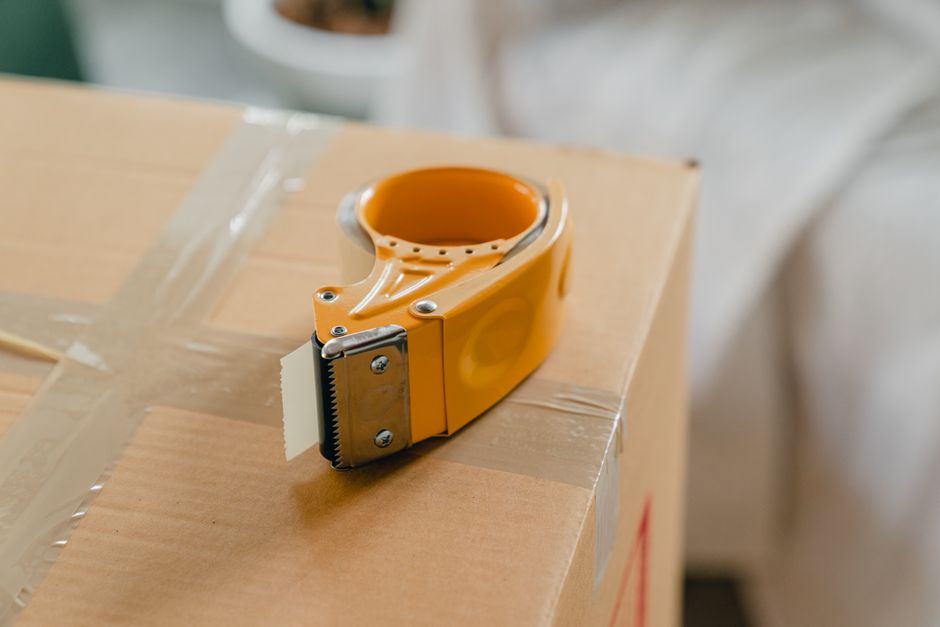
You do not need a van full of specialist equipment, but a few proper tools make a big difference. Good packing tape is essential. Weak tape leads to split boxes, and split boxes are a headache nobody wants. A sturdy marker is another must-have, because detailed labels save time later.
For protection, use packing paper, bubble wrap, foam sheets, cardboard dividers, and tissue paper depending on the item type. Cardboard dividers are especially useful for collections of glasses, bottles, and small ornaments. They create structure inside the box so items do not lean into one another.
If you are moving a wider household alongside the collection, it may be worth looking at services such as packing and unpacking services for the rest of the home, or a man with van option if you only need transport support. Some people also use moving truck hire or a dedicated removal truck hire arrangement for larger loads, though the right choice depends on your volume and comfort level.
If you need to keep costs in view, have a look at pricing and quotes before deciding whether to do the full job yourself or split the workload. And if you are moving across a busy part of London, it may help to browse a local area page such as London or one of the borough pages relevant to your route. That said, only use what genuinely helps your move. No point collecting links like souvenirs.
Law, compliance, standards, or best practice
For most domestic moves, there is no special legal rule that says you must use professional packers for fragile collections. What matters is reasonable care, safe handling, and sensible transport practice. If you are moving items that are valuable, old, or unusually delicate, good documentation and careful handling are simply best practice.
In the UK, households and removal firms are generally expected to handle goods safely and avoid preventable damage. If you are arranging transport with a company, it is worth checking their insurance terms, packing responsibilities, and claims process before the move. That is just good housekeeping. It also helps you know where your responsibility ends and theirs begins.
For items with specialist significance - for example antiques, artwork, or collections that may require custom packing - the safest approach is to follow recognised conservation-style principles: avoid overhandling, keep items clean and dry, separate pieces properly, and use materials that will not abrade surfaces. You do not need to sound like a conservator in a museum, but the mindset helps.
If you are using a removals provider, it is also sensible to review their wider policies, such as insurance and safety, health and safety policy, and payment and security. These pages can give you a clearer picture of how the company handles risk, payments, and service expectations. That sort of transparency matters, especially when the move includes fragile valuables.
Options, methods, or comparison table
Different collections need different levels of protection. The best method depends on the shape of the items, their fragility, and how much time you have. Below is a simple comparison of common packing methods.
| Method | Best for | What it does well | Watch out for |
|---|---|---|---|
| Individual wrapping | Most fragile collectibles | Reduces rubbing and surface scratches | Takes time; needs clear labelling |
| Divider boxes | Glasses, bottles, ornaments | Stops contact between items | Must still be padded around the edges |
| Flat packing with board | Photos, prints, framed pieces | Protects surfaces and keeps items level | May need corner support and stiff backing |
| Crate-style packing | High-value or unusually delicate collections | Extra rigidity and stability | More material, more effort, more space |
If you are unsure which method to choose, start with the most delicate item in the collection and work outward from there. That one decision often sets the tone for the whole pack. The fragile piece defines the system, not the other way round.
Case study or real-world example
Consider a typical London flat move. A couple has a mixed collection: glass tumblers, a few ceramic vases, framed prints, and a shelf of vinyl records collected over several years. They do not want to pay for full packing services, but they also do not want to risk damage by tossing everything into standard boxes.
They start by sorting the collection into four groups. The glassware goes into divider boxes with paper padding. The ceramics are wrapped individually and packed into smaller boxes with soft fill on all sides. The framed prints are stacked vertically between sheets of cardboard and kept flat against a rigid support. The records are boxed in their sleeves, upright, with no pressure on the corners.
On moving day, the boxes are labelled clearly and loaded last so they can be placed on top of more stable items. Once at the new place, they unpack the records and prints first because those boxes are easiest to identify and least likely to have shifted. The glassware takes a bit more time, but nothing breaks. A fairly ordinary move, really, just handled with care.
What made it work was not a fancy product or a huge budget. It was the planning. They did not mix item types, they did not overload boxes, and they did not leave the packing to the last hour before the van arrived. Truth be told, that is the difference most of the time.
Practical checklist
Use this before sealing the final boxes. It is short on purpose, because a checklist should help, not lecture.
- Sort fragile items by type and size
- Clean and fully dry each item
- Choose strong boxes in the right size
- Use soft wrapping around every item
- Add padding inside hollow items where needed
- Keep heavy fragile items in smaller boxes
- Fill gaps so nothing can move
- Protect corners, stems, handles, and lids
- Label boxes with contents and room destination
- Mark delicate boxes clearly as fragile
- Keep boxes dry and upright during loading
- Unpack the most delicate items first
Expert summary: The safest DIY packing method is simple: wrap individually, cushion generously, keep boxes small, and stop movement before it starts. If you remember nothing else, remember that.
Get a free quote today and see how much you can save.
Conclusion
You can absolutely pack fragile collections for removals without paying professionals, as long as you treat the job with the respect it deserves. The winning formula is not complicated: sort first, wrap properly, choose sensible boxes, and prevent movement at every stage. That alone removes most of the risk.
For many people, DIY packing is the sweet spot. It saves money, keeps you in control, and lets you give extra attention to the items that matter most. If a collection is especially valuable or awkward, a hybrid approach can still be smart. The point is not to do everything yourself at any cost. The point is to move your collection safely, calmly, and with minimal stress.
Take your time, trust your judgement, and do the little things properly. A careful move has a quiet kind of satisfaction to it. You open the box at the other end and everything is exactly where it should be. That's a good feeling.
Frequently Asked Questions
Can I pack fragile collections myself instead of hiring professionals?
Yes, for many collections you can. If the items are not extremely valuable or unusually delicate, DIY packing is a sensible way to save money while keeping control over how everything is handled.
What is the safest way to pack glass items for a move?
Wrap each glass individually, use dividers or small boxes, and fill all gaps so nothing moves. Keep boxes upright and avoid stacking heavy items on top.
Should I use bubble wrap or packing paper for fragile collections?
Both can be useful. Packing paper is great for general wrapping and void filling, while bubble wrap adds extra cushioning for more delicate or awkward items. Sometimes the best answer is both.
How do I pack a collection of ornaments without them breaking?
Wrap each ornament separately, protect any protruding details, and pack them tightly enough that they cannot shift. Smaller boxes usually work better than large ones for this kind of collection.
Are old newspapers okay for packing fragile items?
They can be used in a pinch, but they are not ideal for everything. The ink can transfer, and the paper is not always as clean or consistent as proper packing paper. For treasured items, better materials are worth it.
How far in advance should I start packing a fragile collection?
Start as early as you can, ideally several days before the move for a moderate collection. Fragile packing takes concentration, and rushing is where mistakes happen.
What size box is best for delicate collectibles?
Smaller boxes are usually best because they are easier to lift and less likely to be overfilled. Very large boxes tend to create movement, which is risky for delicate items.
Do I need special insurance if I am packing the items myself?
It depends on the value of the collection and the transport arrangement. If items are especially valuable, check the moving company's insurance terms carefully and consider whether your own cover is affected by self-packing.
How can I tell if I have packed a fragile item securely enough?
Gently shake the box. If you feel or hear movement, the item needs more support. The box should feel snug, not loose, and it should close without pressure on the contents.
What should I do with very valuable or irreplaceable pieces?
For high-value or one-of-a-kind items, consider extra protection, custom packing, or professional help for that specific piece. A hybrid approach is often the most sensible compromise.
Can a removals van handle fragile collections safely?
Yes, if the boxes are packed properly and loaded carefully. Whether you use a van, truck, or full removal service, the packing quality matters just as much as the vehicle.
What is the biggest mistake people make when packing fragile collections?
The biggest mistake is assuming the collection can be packed like ordinary household goods. Fragile items need separation, cushioning, and stable box sizes. Once movement starts, damage can follow fast.